Iteros, Inc manages shared bicycle fleets and mixed-asset operations across cities. c4micro built three of their core products from the ground up: the bicycle DONUT tracker that runs entirely on dynamo power, the HUB gateway that works in a moving van or a fixed depot, without changing a single component, and the PARKING PUCK that provides real-time parking space availability information.
Shared bicycle fleets run on thin margins. When a tracker drains its battery, the vehicle goes dark on the map, invisible to operators, unavailable to riders. NOA's harder constraint was the power source: a dynamo hub that generates electricity only while the wheel is turning. Every hour the bike sits still, nothing charges.
The previous firmware woke up for everything, cobblestones, truck vibrations, a gust of wind. Each false start fired the GPS and LTE radio stack, burned battery, and produced noise the operations team had to filter by hand. On redistribution days, when vans carry dozens of bikes across the city, the fleet could lose meaningful charge before a single real trip began. GPS drift of ten metres or more also put bikes in the wrong bay, triggering false mispark alerts.
c4micro delivered the DONUT firmware on the new Omnia V2 hardware, a complete rewrite focused on one principle: spend energy only on real rides.
NOA's fleet operators now have continuous, accurate visibility across every bicycle, including during redistribution. Battery life improved dramatically fleet-wide because the tracker no longer wastes energy on phantom trips. Parking data is clean enough to use operationally without manual review. The whole system runs on nothing but the rider's legs.
The battery drain during redistribution was our biggest operational problem. c4micro didn't patch it, they redesigned the part of the system that was causing it. The fleet has been reliable since.
NOA operates in two completely different worlds simultaneously. Redistribution vans carry bicycles across the city all day, they need GPS positioning and mobile LTE. Depots and stations are fixed indoors , they need wired Ethernet or Wi-Fi and location defined by room, not satellite. Both need continuous BLE sensor data reaching the cloud. Building and maintaining two separate hardware products was not viable.
The NOA HUB packs three MCUs and four radio technologies onto a single board. The challenge is not just making them work together, it is making them stay out of each other's way. LTE and Wi-Fi cannot be active at the same time. Power must be managed across USB, PoE, and a backup battery. And through all of it, BLE scanning must never stop, because a missed beacon advertisement means a gap in the asset-tracking record.
c4micro wrote the full NOA HUB firmware across all three MCUs, covering both deployment scenarios from a single shared codebase.
NOA deploys a single hub product across its entire operation, vans, depots, and stations, with no hardware variants and no manual network configuration. Beacon data reaches the backend continuously; gaps caused by connectivity dropouts are buffered and recovered automatically. Every new hub is commissioned from a phone in the field in minutes.
We needed a device that could go from a van to a depot without anyone touching the hardware. c4micro built exactly that, and made all the complexity disappear behind a simple BLE setup screen.
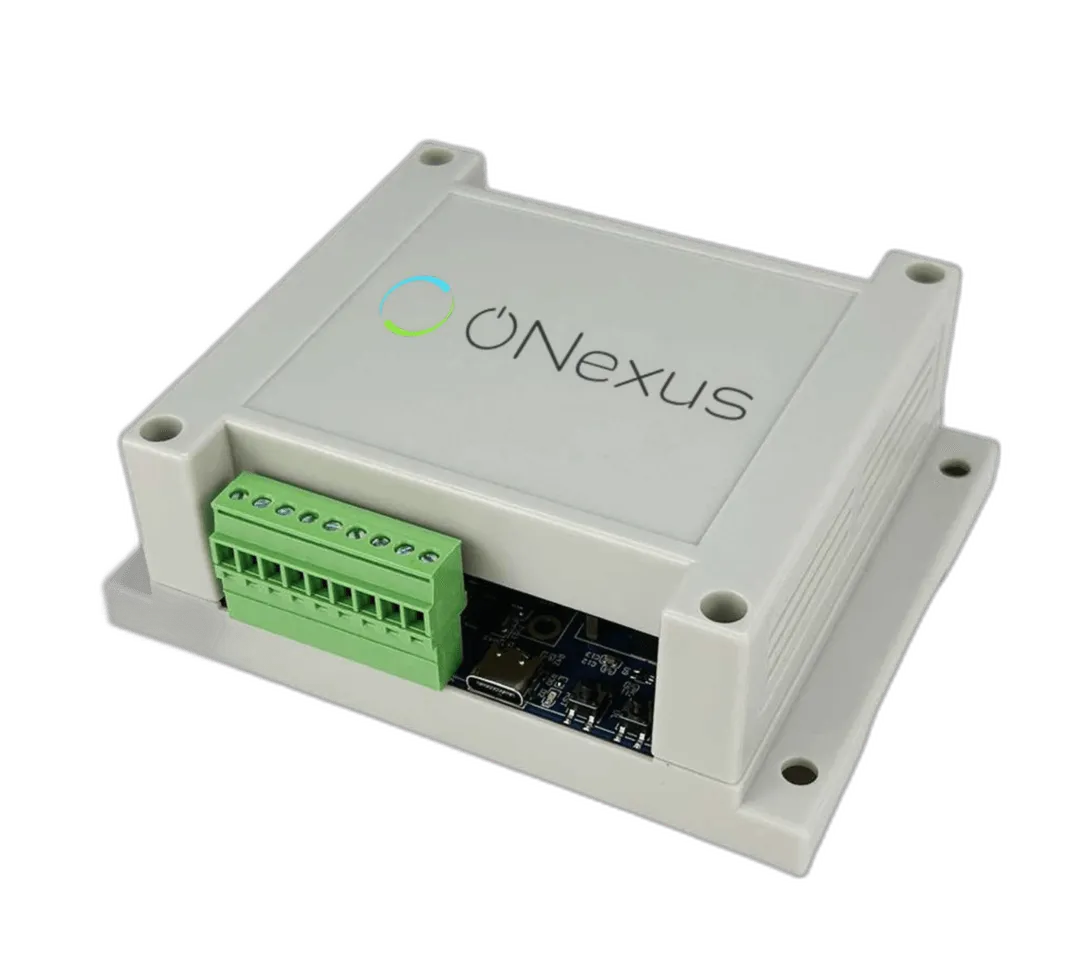
Real-time on-device load management for all-electric homes on constrained grid connections.
Read case study →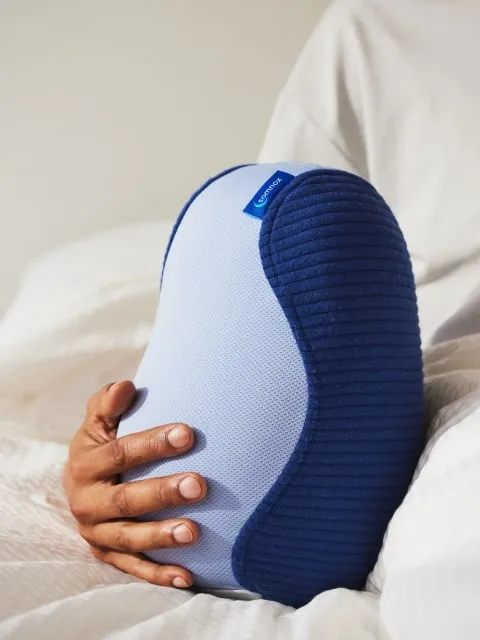
Science-backed robotic sleep companion with an adaptive breathing engine.
Read case study →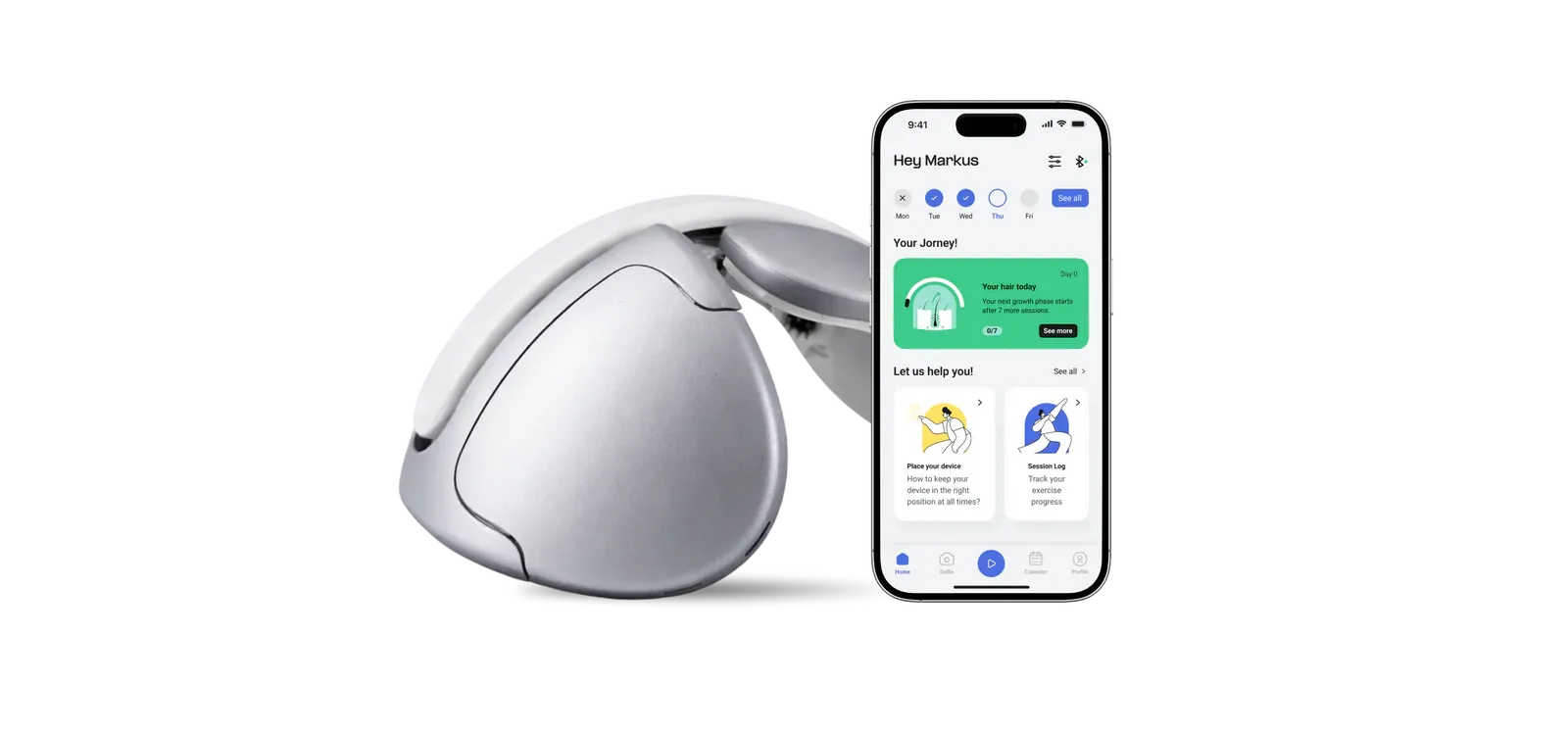
End-to-end wearable wellness platform, from electronics to CE certification.
Read case study →c4micro builds embedded firmware for connected hardware that has to run reliably in the field, on constrained power, unreliable networks, and heterogeneous environments.